Description
Thymosin Alpha | Research, Biological Functions, Potential Applications, and Current Scientific Understanding
Thymosin Alpha is a naturally occurring peptide that has attracted significant attention within immunology, molecular biology, and clinical research. Originally isolated from the thymus gland, this peptide plays an important role in immune system regulation and has been studied for several decades for its involvement in T-cell development and immune function.
This article explores the biology of Thymosin Alpha, how it functions within the immune system.
What Is Thymosin Alpha? | Buy Peptides Online
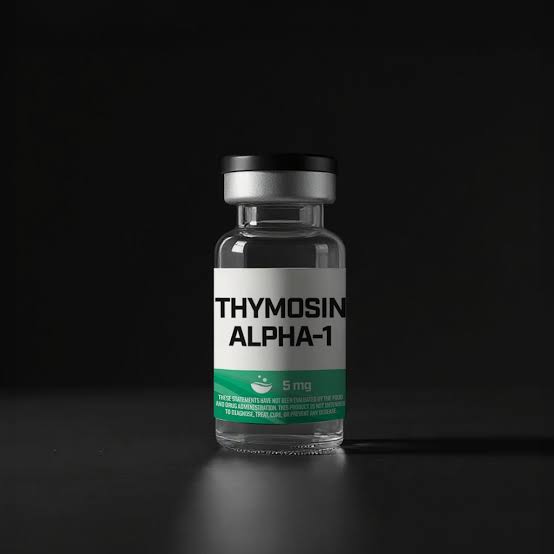
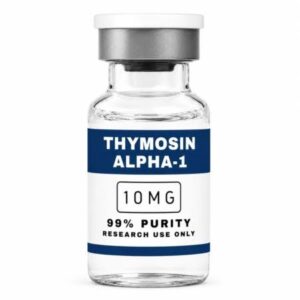
is a synthetic version of a naturally occurring peptide consisting of 28 amino acids. The natural peptide is produced in the thymus gland, an organ essential for the development and maturation of T lymphocytes, which are critical components of adaptive immunity.
Current Areas of Scientific Research | Where To Buy?
Infectious Disease Research
One of the most extensively studied areas involves infectious diseases. Researchers have explored whether Thymosin Alpha may influence immune responses during viral, bacterial, and fungal infections.
Investigations have included:
- Hepatitis B
- Hepatitis C
- Influenza
- Respiratory infections
- Emerging viral diseases
Results have varied depending on the disease, patient population, and study design, and additional research remains necessary.
Cancer Research
Scientists have also examined Thymosin Alpha as an adjunctive therapy in oncology. Research focuses on whether immune modulation may complement conventional treatments by supporting immune surveillance.
Areas of investigation include:
- Lung cancer
- Liver cancer
- Melanoma
- Colorectal cancer
- Breast cancer
Thymosin Alpha and Healthy Aging
Aging is associated with gradual changes in immune function, a process sometimes referred to as immunosenescence. Researchers are studying whether Thymosin Alpha may influence age-related immune changes by supporting T-cell activity and immune regulation.
Laboratory Research
Beyond clinical investigations, Thymosin Alpha is widely used in laboratory research to better understand:
- Immune signaling pathways
- Cytokine production
- Cellular differentiation
- Inflammatory regulation
- Host-pathogen interactions
Frequently Asked Questions
What is Thymosin Alpha?
Thymosin Alpha 1 is a synthetic version of a naturally occurring peptide involved in immune system regulation.
How does it work?
Research suggests it helps regulate immune cell communication, T-cell function, and cytokine signaling rather than acting as a general immune stimulant.
What is it being studied for?
Current research includes infectious diseases, cancer immunology, vaccine response, aging, autoimmune disorders, and immune regulation.
Is it approved everywhere?
No. Regulatory approval varies by country and indication.
Is research ongoing?
Yes. Scientists continue investigating its biological mechanisms and potential clinical applications through laboratory and clinical studies.

Reviews
There are no reviews yet.